
Humanoids move the risk conversation indoors
Humanoids will operate around staff, visitors, inventory, and changing floor plans. That makes context the core design problem.
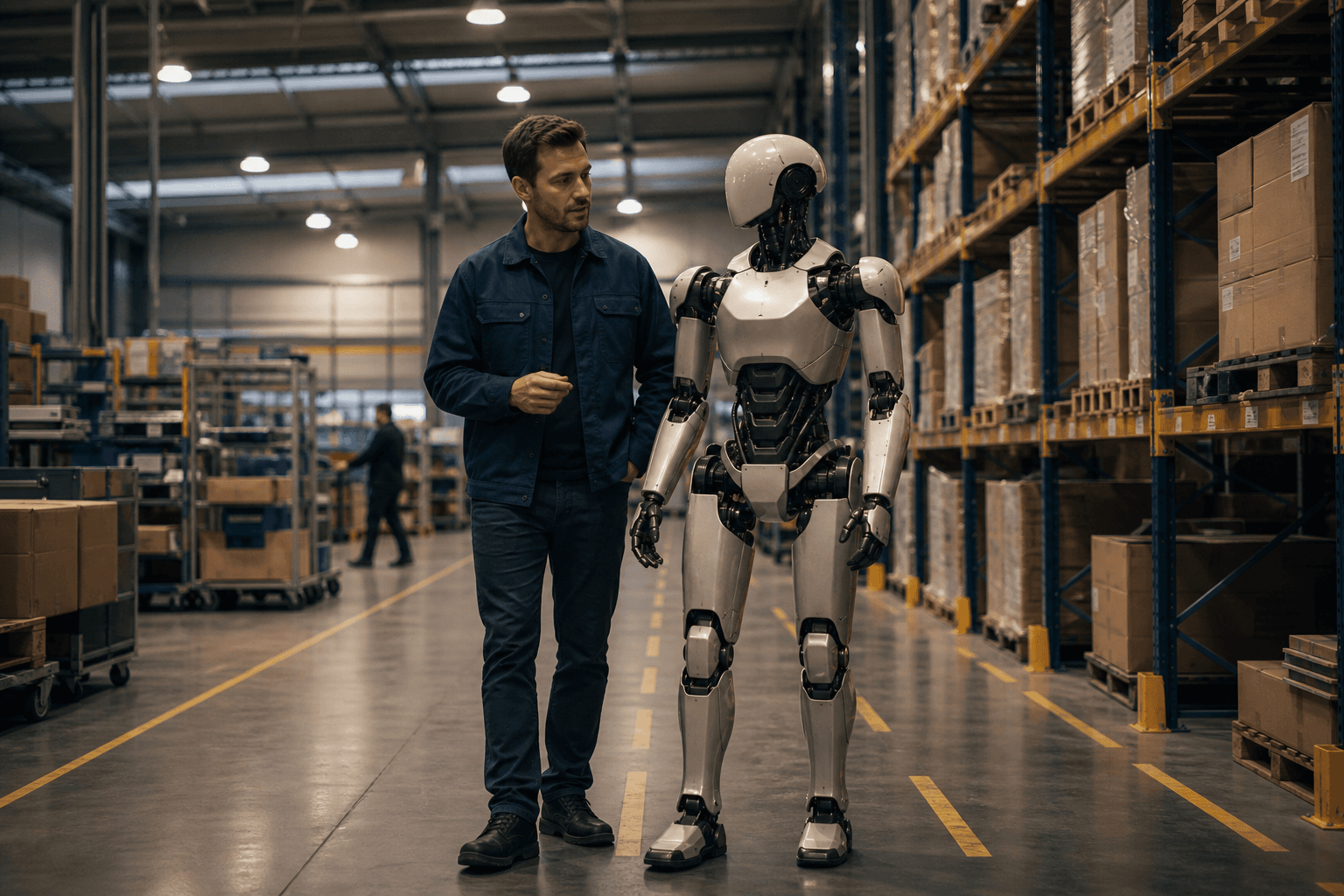
Humanoids change the robotics conversation because they are designed for human spaces. Warehouses, hotels, care facilities, campuses, and mixed-use buildings all contain moving people, temporary obstacles, and local rules that change throughout the day.
That means deployment quality cannot be measured only by task completion. Teams also need to understand proximity, handoff points, exception handling, escalation paths, and how the robot behaves when the environment stops matching the plan.
The practical risk record for humanoids will look more like an operating map than a device checklist. Mission context, zone boundaries, sensor health, human override, and post-event notes should be available in one reviewable trail.
The opportunity is large, but the adoption path will reward disciplined operators. Humanoid programs that can show how they learn from each site will earn trust faster than programs that treat every indoor space as interchangeable.